Key points
- Madhubani or Mithila painting is a group of visual traditions from the Mithila region, historically associated with domestic and ceremonial wall painting and later expanded onto paper and other supports.
- Look for border, density, line type, colour filling, repeated motifs, ritual context, signature, paper quality and the difference between workshop repetition and personal invention.
- Symbols are not universal dictionaries. Meaning depends on occasion, community, artist and composition.
In this article
A Madhubani surface rarely leaves space idle: line, plant, animal, deity and border build a world through accumulation. Madhubani or Mithila painting is a group of visual traditions from the Mithila region, historically associated with domestic and ceremonial wall painting and later expanded onto paper and other supports. This article approaches Madhubani Painting through definition, difference and representative examples, keeping visual pleasure close to documented history. The purpose is not to empty the subject of wonder, but to replace vague mystery with better questions.
The field in context
Women artists played central roles, while commercialisation, documentation and new generations made individual names increasingly visible. The broad category is only a starting point. Its value lies in guiding the reader toward particular objects, makers, sites and communities without pretending that they share one visual language. Ask who commissioned the work, who made it, who could see or use it, and what kind of authority, memory or pleasure it supported. Those questions turn a survey into a history of lived choices. In this case, kohbar marriage imagery and deities offer two different points of entry: one can establish the larger argument while the other tests how well it holds at the level of a particular work or practice.
Materials and forms
The relevant media range across wall plaster, handmade paper, cloth, natural and synthetic pigment, bamboo pens, nibs, brushes and dense linear pattern. Cost and availability affected who could commission a work, while workshop organisation affected consistency and experiment. A material can also carry memory: a locally quarried stone or imported pigment may announce belonging or reach. Such facts turn texture into history. For Madhubani Painting, place special attention on wall plaster and handmade paper: their behaviour helps explain why the work looks, moves, ages or circulates as it does.
Images, power and belief
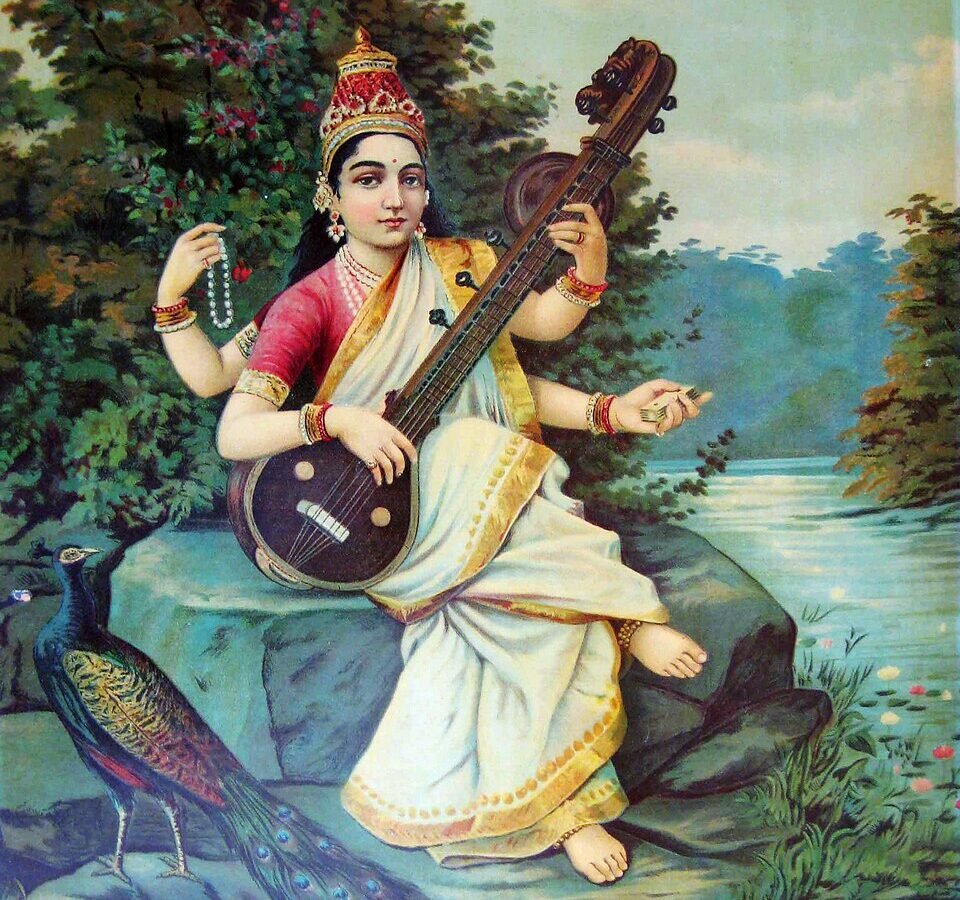
Examples such as kohbar marriage imagery; deities; fish, peacocks and plants; kachni line work; bharni colour fields; godna-derived pattern; contemporary social themes show the breadth of the subject. Seen side by side, they expose changes in patronage, bodily scale and access. They also show why visual resemblance is not proof of direct influence. Historical contact must be demonstrated, not imagined from appearance alone. Move first through kohbar marriage imagery, then compare it with deities; keep fish, peacocks and plants nearby as a reminder that no single celebrated example can carry the whole field.
How to look closely
The market often presents one decorative “Madhubani style”, but the tradition contains caste histories, regional practices, individual innovations and changing politics. The issue is especially visible when a work moves between sacred use, museum display and market value. Each setting asks the viewer to behave differently. The article must acknowledge those different claims instead of pretending the glass case is neutral. For Madhubani Painting, museum records, archaeological reports, conservation studies, primary documents and later retellings may emphasise different facts; the differences between them are themselves historically useful.
What museums can hide
The visual argument becomes clearer through border, density, line type, colour filling, repeated motifs, ritual context, signature, paper quality and the difference between workshop repetition and personal invention. A high-resolution image can help, but it cannot reproduce weight, surface reflection, surrounding architecture or the presence of other viewers. Use the screen as a tool, not a replacement for scale. Where possible, consult installation views and conservation records. For Madhubani Painting, let the eye move deliberately from border to density and then outward toward line type; changing distance often reveals how attention has been organised. Describe what is visible before translating every detail into symbolism, then test a possible interpretation against the object record and historical context.
Why the subject still matters
Madhubani painting became an international symbol of Indian vernacular art while remaining a living field of community and individual practice. Later histories may celebrate one feature and overlook another, creating a simplified public image. A richer account restores material, place and disagreement. That restoration turns admiration into knowledge. In the case of Madhubani Painting, later display, photography, textbooks, restoration, tourism, collecting and digital circulation have each selected certain qualities while making others harder to notice.
Questions, cautions and responsible interpretation
Symbols are not universal dictionaries. Meaning depends on occasion, community, artist and composition. The absence of evidence is not evidence of absence, but it is also not permission to fill the gap. Mark uncertainty plainly and continue with what can be shown. Keep three columns in mind for Madhubani Painting: what the eye can verify, what a document confirms and what a scholar, market participant or community proposes. Where those columns do not align, explain the gap. Precision does not diminish beauty; it gives curiosity a more trustworthy foundation.
A final way to see the subject
The best overview is a map with open doors. It should orient the reader while making clear that every civilisation, object and material deserves a more particular account. Return to the opening image of Madhubani Painting and notice how wall plaster, border and the example of kohbar marriage imagery have changed the first impression. Madhubani painting became an international symbol of Indian vernacular art while remaining a living field of community and individual practice. Continue by placing kohbar marriage imagery beside deities, then follow the institutional record for fish, peacocks and plants; the comparison will expose which parts of the story are visual, documentary or interpretive. That shift—from quick recognition to a sustained relationship—is the habit The Easel wants every article to cultivate.