Key points
- Ancient art is not one style. It is an umbrella term for many visual cultures separated by geography, language, religion and time.
- Its beginning and end cannot be fixed by one universal date. Historians use regional chronologies.
- Much ancient art was created for ritual, burial, political authority, memory, exchange or daily use rather than for detached display.
- Material, scale, original location, symbols and archaeological context are essential to interpretation.
- “Ancient”, “prehistoric”, “classical” and “archaeological” are related but not interchangeable terms.
In this article
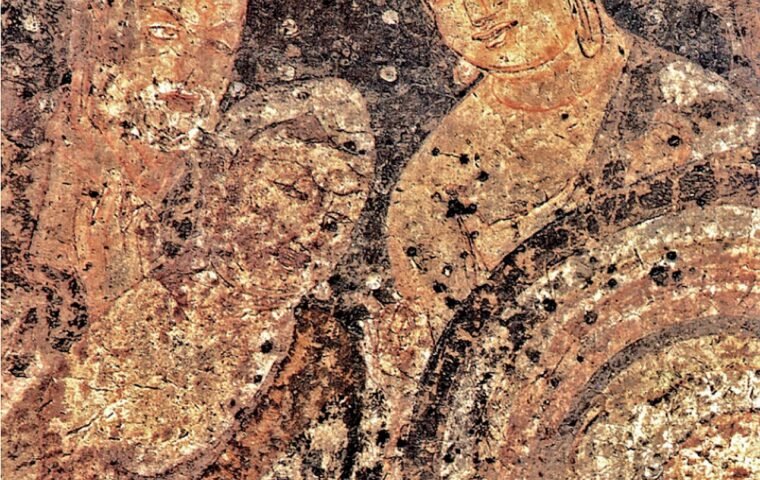
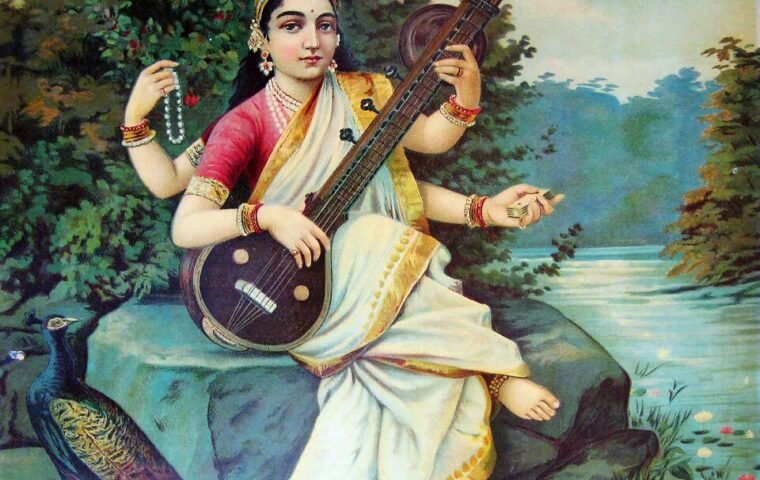
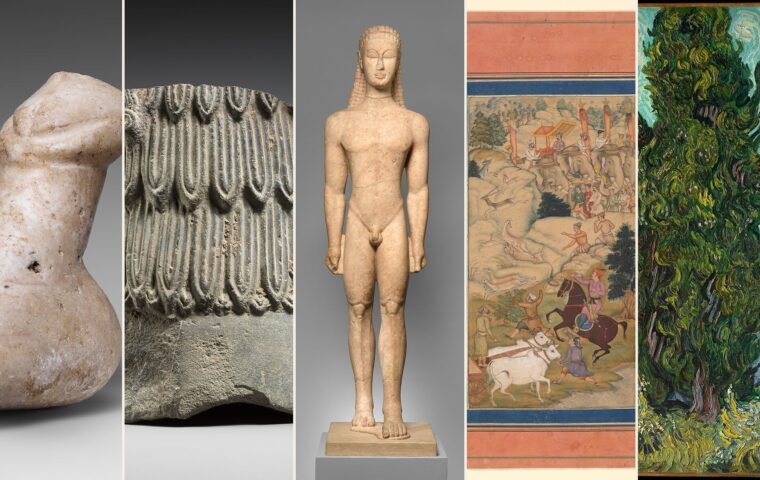
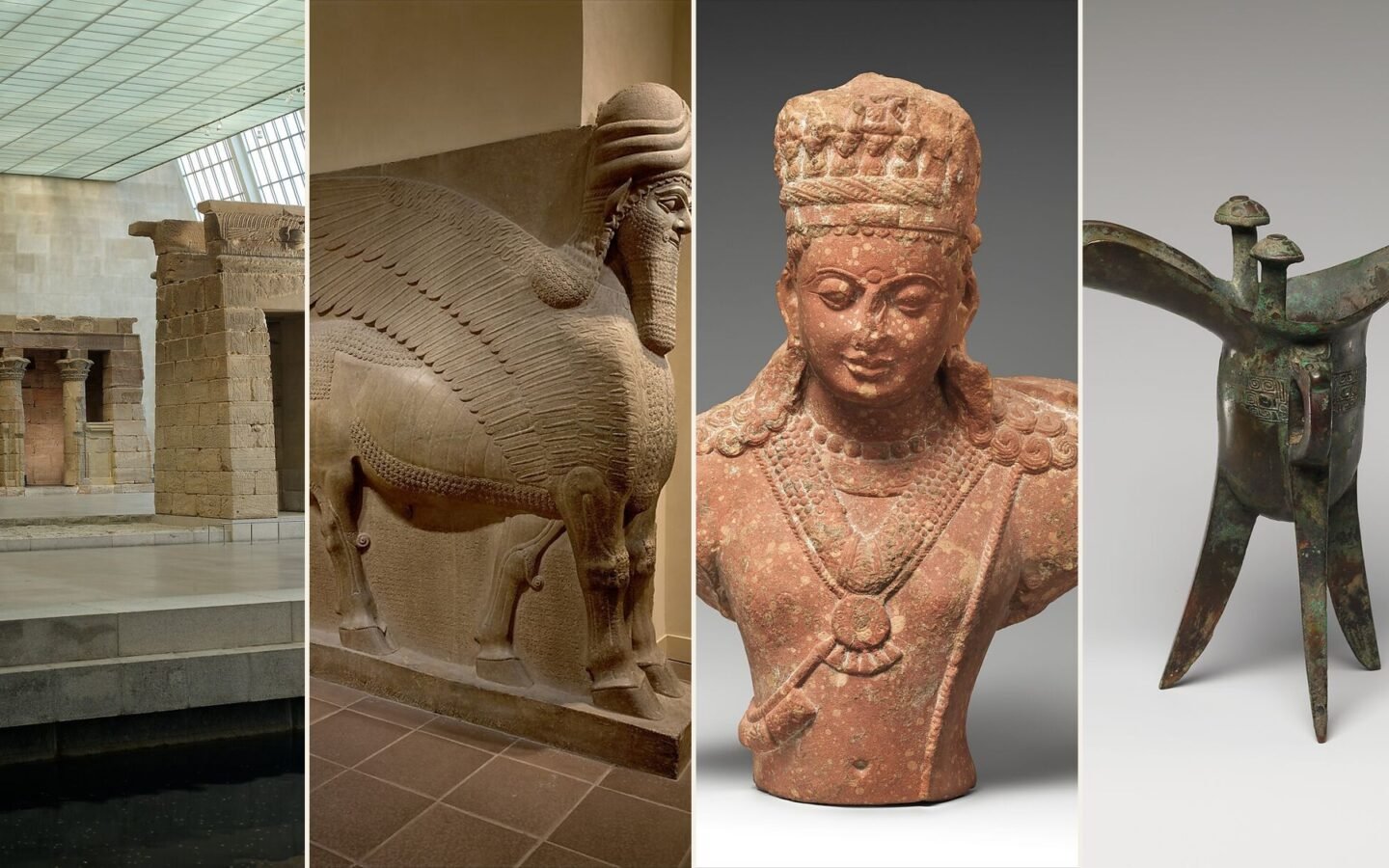
Imagine entering a museum room where a tiny seal, a royal portrait, a temple fragment and a bronze deity all stand beneath the same label: ancient art. Ancient art is the visual culture of early societies and civilisations, expressed through buildings, sculpture, painting, relief, ceramics, metalwork, textiles and objects of ritual or daily life. It is not one style and it does not begin or end everywhere at the same date. This article approaches What Is Ancient Art through definition, difference and representative examples, keeping visual pleasure close to documented history. The purpose is not to empty the subject of wonder, but to replace vague mystery with better questions.
The field in context
Its histories stretch from prehistoric image-making and the first cities to the classical and late antique worlds, with regional chronologies that do not fit a single Mediterranean timetable. The broad category is only a starting point. Its value lies in guiding the reader toward particular objects, makers, sites and communities without pretending that they share one visual language. Ask who commissioned the work, who made it, who could see or use it, and what kind of authority, memory or pleasure it supported. Those questions turn a survey into a history of lived choices. In this case, Egyptian tomb paintings and Mesopotamian cylinder seals offer two different points of entry: one can establish the larger argument while the other tests how well it holds at the level of a particular work or practice.
Materials and forms
The material vocabulary includes stone, clay, pigment, bronze, gold, wood, glass, fibre and fired brick. Each material sets limits and offers possibilities: it controls scale, colour, weight, durability, cost and the pace of labour. A carved edge, burnished surface, repeated mould or fine brush line is evidence of decisions, not decorative background. Technique is thought made physical. For What Is Ancient Art, place special attention on stone and clay: their behaviour helps explain why the work looks, moves, ages or circulates as it does.
Images, power and belief
Key examples and forms include Egyptian tomb paintings; Mesopotamian cylinder seals; Greek temples; Roman portraits; Indian stupas; Chinese ritual bronzes; Persian palace reliefs; Maya stelae. Read them as a set of different answers rather than a list of trophies. One may organise ritual, another stage political power, another make private attention possible. Comparison is valuable when it sharpens those differences. Move first through Egyptian tomb paintings, then compare it with Mesopotamian cylinder seals; keep Greek temples nearby as a reminder that no single celebrated example can carry the whole field.
How to look closely
Museums group these works by age, but their original makers understood them through religion, kingship, burial, trade, memory and everyday use rather than through the modern category of art. That tension changes how the subject should be named, displayed and taught. The evidence may support more than one reading, and responsible writing allows those readings to remain distinguishable. A clear uncertainty is more useful than a confident myth. For What Is Ancient Art, museum records, archaeological reports, conservation studies, primary documents and later retellings may emphasise different facts; the differences between them are themselves historically useful.
What museums can hide
Begin with material, scale, gesture, inscription, repeated symbols, traces of handling and the relationship between an object and its original setting. Move between the whole and the detail, then imagine the work at its actual scale and viewing distance. Ask what has faded, broken, been restored, reframed or removed from its setting. The second look is usually more revealing than the first. For What Is Ancient Art, let the eye move deliberately from material to scale and then outward toward gesture; changing distance often reveals how attention has been organised. Describe what is visible before translating every detail into symbolism, then test a possible interpretation against the object record and historical context.
Why the subject still matters
It gives readers a way to compare distant societies without pretending that they were visually or politically the same. Museums, photographs, textbooks, markets and digital circulation have since given the subject new audiences while altering scale and sequence. The modern frame should therefore be read as part of the history. What survives is not only an object, but a chain of interpretations. In the case of What Is Ancient Art, later display, photography, textbooks, restoration, tourism, collecting and digital circulation have each selected certain qualities while making others harder to notice.
Questions, cautions and responsible interpretation
Do not treat “ancient” as a synonym for primitive, static or mysterious. The evidence is rich, but interpretation must remain tied to archaeology and documented context. Where specialists disagree, name the disagreement and show what evidence supports each position. A disputed interpretation should never be presented as settled fact. Keep three columns in mind for What Is Ancient Art: what the eye can verify, what a document confirms and what a scholar, market participant or community proposes. Where those columns do not align, explain the gap. Precision does not diminish beauty; it gives curiosity a more trustworthy foundation.
A final way to see the subject
The best overview is a map with open doors. It should orient the reader while making clear that every civilisation, object and material deserves a more particular account. Return to the opening image of What Is Ancient Art and notice how stone, material and the example of Egyptian tomb paintings have changed the first impression. It gives readers a way to compare distant societies without pretending that they were visually or politically the same. Continue by placing Egyptian tomb paintings beside Mesopotamian cylinder seals, then follow the institutional record for Greek temples; the comparison will expose which parts of the story are visual, documentary or interpretive. That shift—from quick recognition to a sustained relationship—is the habit The Easel wants every article to cultivate.
Sources and further reading
- The Met — Heilbrunn Timeline of Art History
- Smarthistory — Ancient West Asia: cradle of civilisation
- Smarthistory — Ancient Egyptian art
- Smarthistory — Ancient Persia, an introduction
- Smarthistory — A brief history of South Asian art, prehistory–c. 500 CE
- UNESCO — Archaeological Ruins at Moenjodaro
- UNESCO — Göbekli Tepe
- The Met — Open Access policy
Explore connected guides
Explore the Ancient Art hub and subscribe to The Easel Weekly
Receive one masterpiece, one artist and one cultural-history story each week.
Join The Easel Weekly