Indian Art
Chola Bronzes: Sacred Sculpture, Lost-Wax Casting and Living Ritual
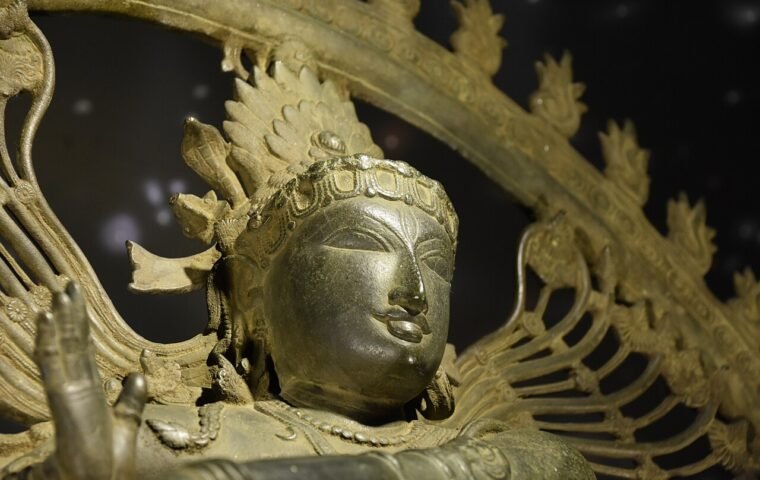
Chola bronzes are South Indian sacred images, often created by lost-wax casting for temple worship, ritual dressing and festival movement.
Browse every published story from The Easel.
Chola bronzes are South Indian sacred images, often created by lost-wax casting for temple worship, ritual dressing and festival movement.
Early Buddhist art in India centred on stupas, railings, gateways, narrative reliefs, inscriptions and symbolic forms connected to pilgrimage and monastic communities.
Mauryan art joined pillars, inscriptions, animal capitals, stupas, caves and highly finished stonework to the scale of the first large empire in South Asia.
Ancient Chinese art developed through ritual bronzes, jade, lacquer, ceramics, tomb objects, calligraphy, painting and imperial architecture, with ancestry and statecraft central to many forms.
Byzantine art joined Christian theology, imperial ceremony and inherited Roman techniques in icons, mosaics, manuscripts, architecture and luxury objects.
Ancient Persian art expressed imperial order through palaces, reliefs, metalwork, gardens and objects that brought many regional traditions into a deliberate court language.
An artist becomes historically important through a combination of artistic problem-solving, influence on peers, sustained bodies of work, critical interpretation, institutional support, archives and public memory.
Sacred art is visual and material culture made for religious belief, ritual practice, devotion, teaching, memory or encounter with the divine.
The main types of visual art are ways of organising material and perception: painting, drawing, printmaking, sculpture, architecture, photography, decorative arts, textiles, moving image, performance, installation…
Indus Valley art survives in seals, terracottas, bronzes, stone figures, jewellery, ceramics and the designed order of cities such as Harappa and Mohenjo-daro.
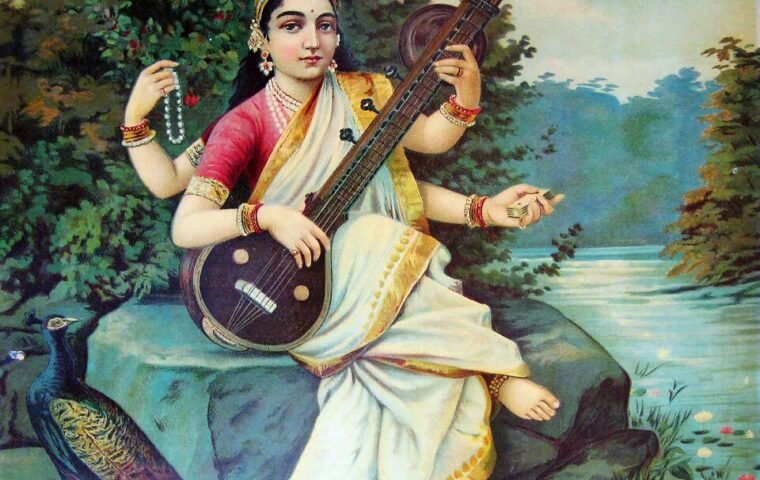
Indian art history extends from prehistoric and Indus visual culture through Buddhist, Hindu and Jain traditions, court painting, colonial institutions, modernism and contemporary practice.
Mesopotamian art developed in the urban cultures of Sumer, Akkad, Babylonia and Assyria, linking temples, kingship, administration and narrative power.