Key points
- Cultural heritage is the material and living inheritance that communities recognise, protect, debate and transmit across generations.
- Look for who names the heritage, who controls access, how knowledge is transmitted, what has been removed and which voices are missing from the official record.
- Protection should not freeze living culture or turn community practice into spectacle. Consent and local authority matter.
In this article
Heritage may be a stone temple, a family archive, a ceremonial song, a weaving method or a landscape kept alive through memory. Cultural heritage is the material and living inheritance that communities recognise, protect, debate and transmit across generations. This article approaches What Is Cultural Heritage through definition, difference and representative examples, keeping visual pleasure close to documented history. The purpose is not to empty the subject of wonder, but to replace vague mystery with better questions.
The field in context
It includes monuments, objects, archives, archaeological sites, languages, rituals, craft knowledge, foodways, performance and cultural landscapes. The broad category is only a starting point. Its value lies in guiding the reader toward particular objects, makers, sites and communities without pretending that they share one visual language. Ask who commissioned the work, who made it, who could see or use it, and what kind of authority, memory or pleasure it supported. Those questions turn a survey into a history of lived choices. In this case, historic cities and sacred sites offer two different points of entry: one can establish the larger argument while the other tests how well it holds at the level of a particular work or practice.
Materials and forms
Its forms are inseparable from stone, paper, cloth, sound recordings, oral memory, ritual objects, architecture and living practice. Material determines what can travel, what can survive weather, what can be reproduced and how closely a viewer must approach. Conservation sometimes exposes choices invisible at first glance. For this reason, a technical description should sit near visual analysis rather than in a separate footnote. For What Is Cultural Heritage, place special attention on stone and paper: their behaviour helps explain why the work looks, moves, ages or circulates as it does.
Images, power and belief
Important points of reference include historic cities; sacred sites; museum collections; manuscripts; dance traditions; Indigenous knowledge; community festivals; threatened archaeological landscapes. None should stand as a substitute for the larger culture that produced it. The most useful canon is therefore a doorway: it leads from recognition toward workshops, sites, communities and overlooked objects. Fame becomes the beginning of inquiry, not its end. Move first through historic cities, then compare it with sacred sites; keep museum collections nearby as a reminder that no single celebrated example can carry the whole field.
How to look closely
Institutions may call something universal heritage while local communities experience it as sacred, contested, displaced or still in use. A persuasive account resists the temptation to resolve every ambiguity. It identifies the strongest evidence, notes competing interpretations and avoids turning resemblance into certainty. That discipline leaves room for wonder without manufacturing mystery. For What Is Cultural Heritage, museum records, archaeological reports, conservation studies, primary documents and later retellings may emphasise different facts; the differences between them are themselves historically useful.
What museums can hide
Look for who names the heritage, who controls access, how knowledge is transmitted, what has been removed and which voices are missing from the official record. Compare the most carefully finished area with passages that are abbreviated, repeated or left open. Differences in attention may reveal hierarchy, workshop division or intended distance. They may also simply record the pressure of making. For What Is Cultural Heritage, let the eye move deliberately from who names the heritage to who controls access and then outward toward how knowledge is transmitted; changing distance often reveals how attention has been organised. Describe what is visible before translating every detail into symbolism, then test a possible interpretation against the object record and historical context.
Why the subject still matters
Heritage connects art history to identity, law, conservation, tourism, memory and questions of justice. Its significance also lies in the questions it now raises about ownership, display, preservation and access. Those questions connect art history to present institutions and communities. They are part of why the subject remains urgent. In the case of What Is Cultural Heritage, later display, photography, textbooks, restoration, tourism, collecting and digital circulation have each selected certain qualities while making others harder to notice.
Questions, cautions and responsible interpretation
Protection should not freeze living culture or turn community practice into spectacle. Consent and local authority matter. Translation matters. Historical terms, religious concepts and community names should be used with care rather than reduced to decorative vocabulary. Keep three columns in mind for What Is Cultural Heritage: what the eye can verify, what a document confirms and what a scholar, market participant or community proposes. Where those columns do not align, explain the gap. Precision does not diminish beauty; it gives curiosity a more trustworthy foundation.
A final way to see the subject
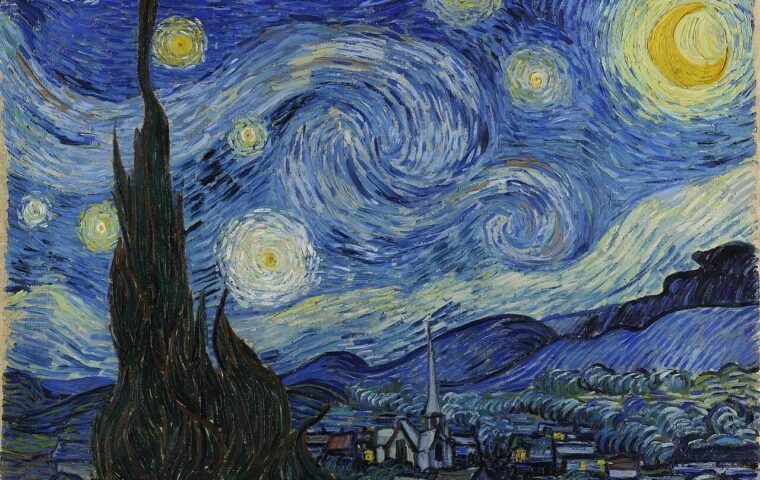
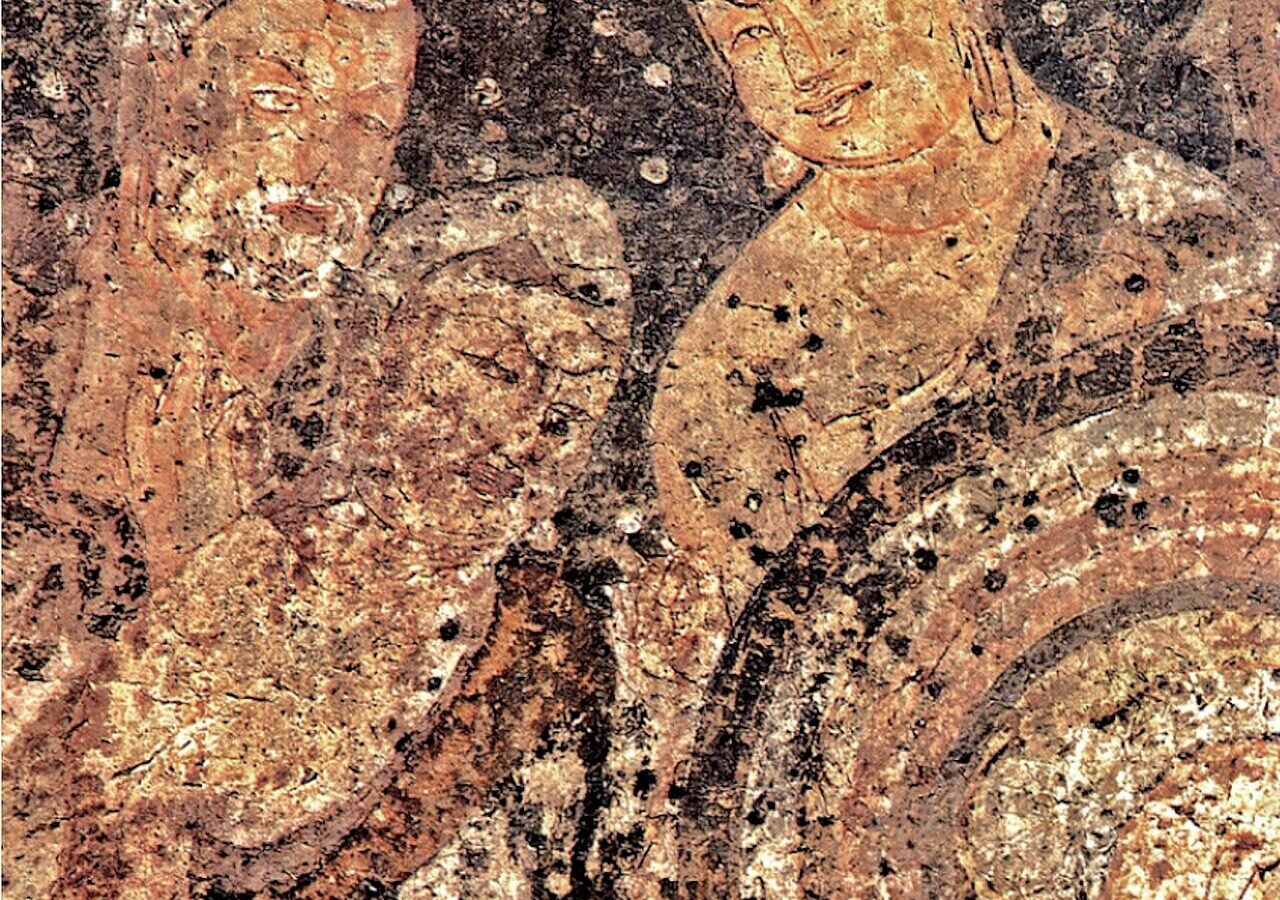
The best overview is a map with open doors. It should orient the reader while making clear that every civilisation, object and material deserves a more particular account. Return to the opening image of What Is Cultural Heritage and notice how stone, who names the heritage and the example of historic cities have changed the first impression. Heritage connects art history to identity, law, conservation, tourism, memory and questions of justice. Continue by placing historic cities beside sacred sites, then follow the institutional record for museum collections; the comparison will expose which parts of the story are visual, documentary or interpretive. That shift—from quick recognition to a sustained relationship—is the habit The Easel wants every article to cultivate.