Key points
- The Ellora caves are a monumental rock-cut complex in Maharashtra containing Buddhist, Hindu and Jain excavations created across several centuries.
- Look for subtractive engineering, column rhythm, vertical excavation, procession route, iconographic programme, incomplete carving and transitions between cave groups.
- Religious labels identify major programmes, but dates, patrons and workshop sequences remain subjects of scholarship.
In this article
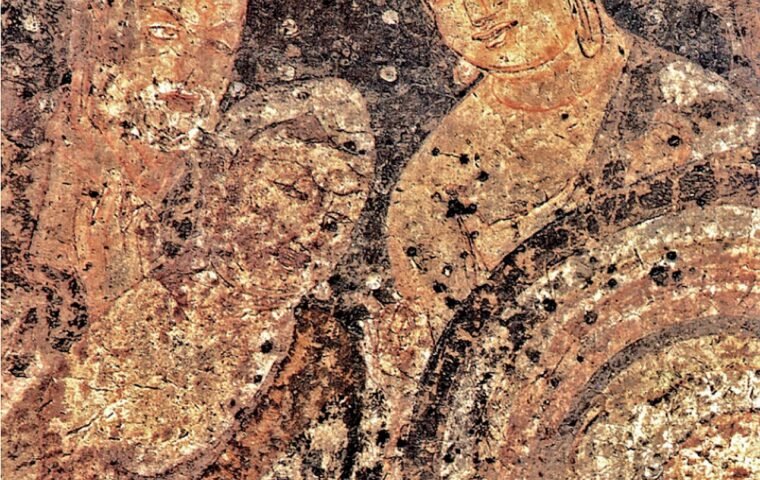
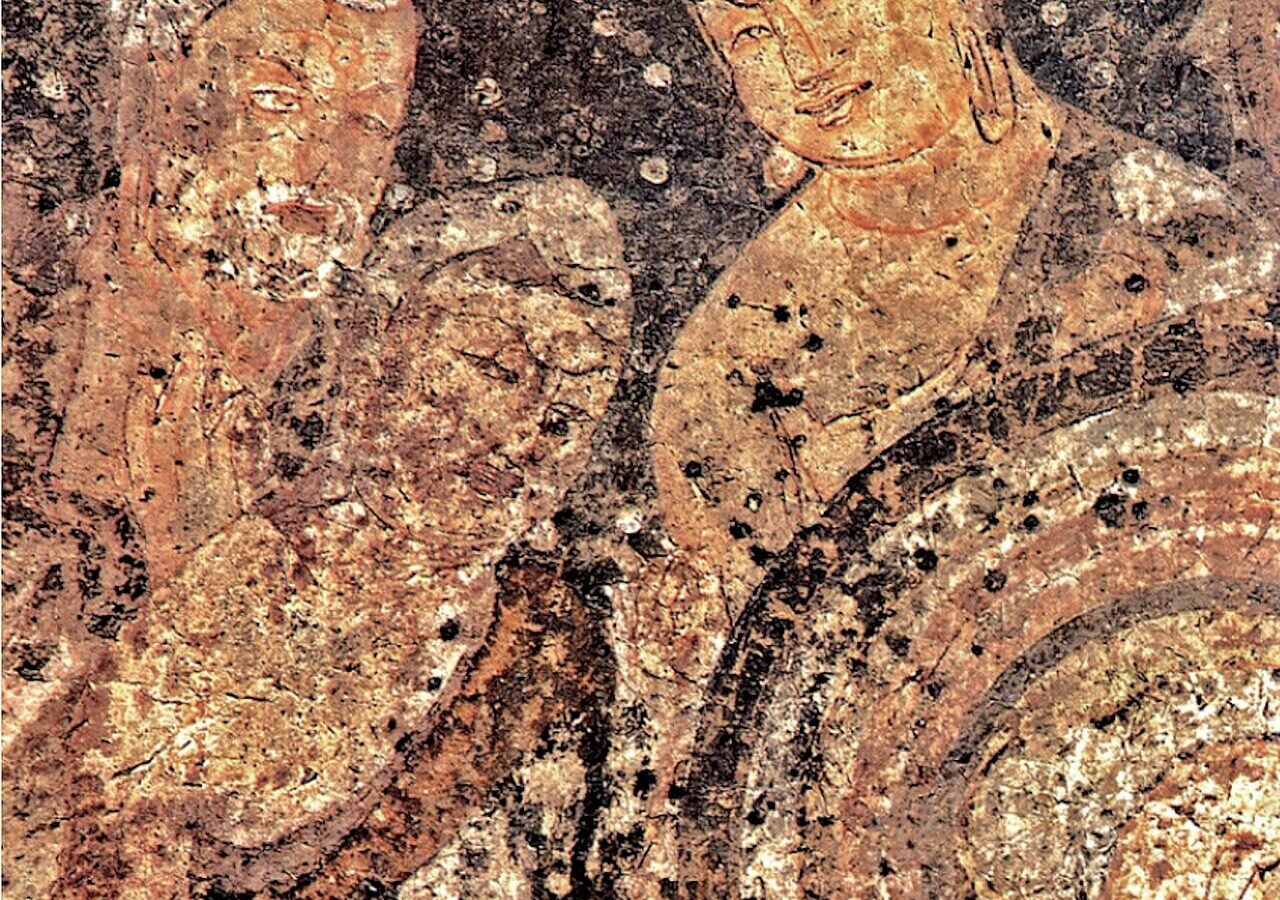
Ellora is not one monument but a long cliff turned into monasteries, temples, sculpture and engineered space. The Ellora caves are a monumental rock-cut complex in Maharashtra containing Buddhist, Hindu and Jain excavations created across several centuries. This article approaches Ellora Caves through movement through architecture, changing light and the experience of place, keeping visual pleasure close to documented history. The purpose is not to empty the subject of wonder, but to replace vague mystery with better questions.
A landscape made into art
The site reveals changing patronage and the proximity of religious communities without reducing that proximity to a simple story of harmony. A site is experienced in sequence: approach, threshold, changing light, bodily scale, sound and the gradual appearance of images. Plans and photographs preserve only part of that encounter. To understand the art, reconstruct how architecture directed movement and how ritual or public use activated the space. In this case, Buddhist monasteries and Cave 10 worship hall offer two different points of entry: one can establish the larger argument while the other tests how well it holds at the level of a particular work or practice.
Engineering, labour and materials
The material vocabulary includes basalt cliff, carved architecture, sculptural relief, plaster and traces of pigment. Each material sets limits and offers possibilities: it controls scale, colour, weight, durability, cost and the pace of labour. A carved edge, burnished surface, repeated mould or fine brush line is evidence of decisions, not decorative background. Technique is thought made physical. For Ellora Caves, place special attention on basalt cliff and carved architecture: their behaviour helps explain why the work looks, moves, ages or circulates as it does.
Narrative and sacred presence
Key examples and forms include Buddhist monasteries; Cave 10 worship hall; the Kailasa temple; Shaiva narrative panels; Jain caves; monumental guardians and ceiling carving. Read them as a set of different answers rather than a list of trophies. One may organise ritual, another stage political power, another make private attention possible. Comparison is valuable when it sharpens those differences. Move first through Buddhist monasteries, then compare it with Cave 10 worship hall; keep the Kailasa temple nearby as a reminder that no single celebrated example can carry the whole field.
Moving through the monument
The Kailasa temple often dominates popular attention, but the site’s meaning depends on the full sequence of excavations and their different functions. That tension changes how the subject should be named, displayed and taught. The evidence may support more than one reading, and responsible writing allows those readings to remain distinguishable. A clear uncertainty is more useful than a confident myth. For Ellora Caves, museum records, archaeological reports, conservation studies, primary documents and later retellings may emphasise different facts; the differences between them are themselves historically useful.
Conservation and modern viewing
Begin with subtractive engineering, column rhythm, vertical excavation, procession route, iconographic programme, incomplete carving and transitions between cave groups. Move between the whole and the detail, then imagine the work at its actual scale and viewing distance. Ask what has faded, broken, been restored, reframed or removed from its setting. The second look is usually more revealing than the first. For Ellora Caves, let the eye move deliberately from subtractive engineering to column rhythm and then outward toward vertical excavation; changing distance often reveals how attention has been organised. Describe what is visible before translating every detail into symbolism, then test a possible interpretation against the object record and historical context.
Why the site matters
Ellora demonstrates how architecture could be imagined by removing mountain rather than assembling walls. Museums, photographs, textbooks, markets and digital circulation have since given the subject new audiences while altering scale and sequence. The modern frame should therefore be read as part of the history. What survives is not only an object, but a chain of interpretations. In the case of Ellora Caves, later display, photography, textbooks, restoration, tourism, collecting and digital circulation have each selected certain qualities while making others harder to notice.
Questions, cautions and responsible interpretation
Religious labels identify major programmes, but dates, patrons and workshop sequences remain subjects of scholarship. Where specialists disagree, name the disagreement and show what evidence supports each position. A disputed interpretation should never be presented as settled fact. Keep three columns in mind for Ellora Caves: what the eye can verify, what a document confirms and what a scholar, market participant or community proposes. Where those columns do not align, explain the gap. Precision does not diminish beauty; it gives curiosity a more trustworthy foundation.
A final way to see the subject
A site is an artwork distributed through space. Plans and photographs are useful, but movement, sound, light and changing viewpoints complete the historical experience. Return to the opening image of Ellora Caves and notice how basalt cliff, subtractive engineering and the example of Buddhist monasteries have changed the first impression. Ellora demonstrates how architecture could be imagined by removing mountain rather than assembling walls. Continue by placing Buddhist monasteries beside Cave 10 worship hall, then follow the institutional record for the Kailasa temple; the comparison will expose which parts of the story are visual, documentary or interpretive. That shift—from quick recognition to a sustained relationship—is the habit The Easel wants every article to cultivate.