Key points
- Gupta art developed influential languages of sculpture, temple architecture, coinage and painting between the fourth and sixth centuries CE.
- Look for soft modelling, controlled drapery, spiritualised expression, iconographic attributes, temple plan, doorway carving and the balance between body and surface.
- The label covers diverse regional workshops. Not every refined fifth-century sculpture was produced directly under Gupta court patronage.
In this article
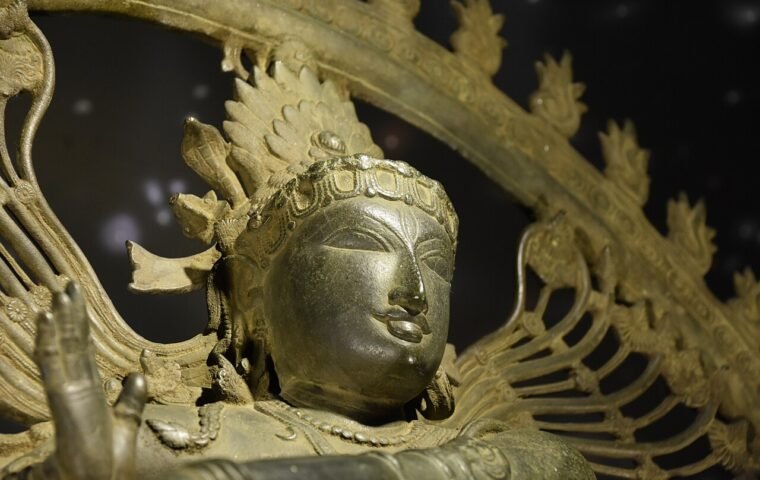
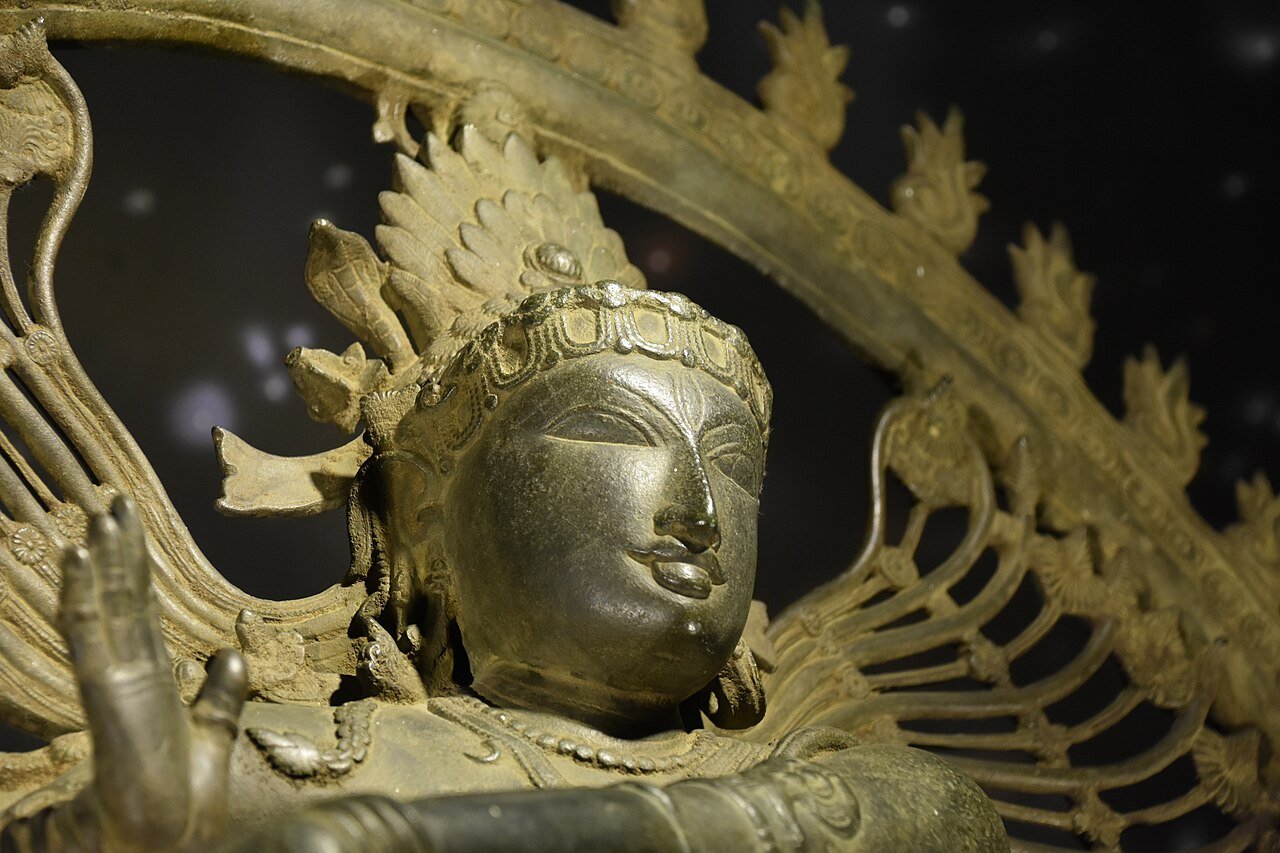
A Gupta Buddha often seems still before it seems monumental, gathering the body into an economy of line and gesture. Gupta art developed influential languages of sculpture, temple architecture, coinage and painting between the fourth and sixth centuries CE. This article approaches Gupta Art through objects, institutions, workshops and the unequal conditions of survival, keeping visual pleasure close to documented history. The purpose is not to empty the subject of wonder, but to replace vague mystery with better questions.
Landscape, institutions and time
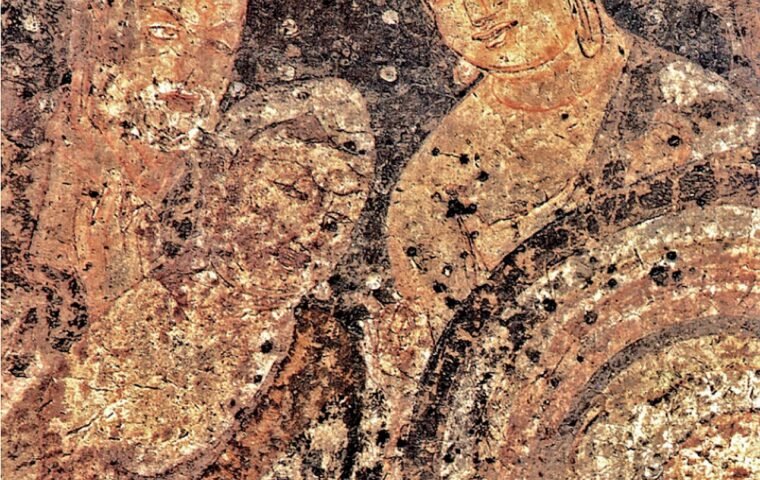
Courts and religious institutions supported Hindu, Buddhist and Jain visual cultures across northern and central India. The surviving record reflects power and preservation: stone, metal and elite monuments endure more readily than wood, cloth, domestic painting or everyday objects. A balanced account therefore reads famous works alongside archaeology, urban systems, workshop evidence and fragments of ordinary life. What is missing is part of the history. In this case, Sarnath Buddhas and Mathura sculpture offer two different points of entry: one can establish the larger argument while the other tests how well it holds at the level of a particular work or practice.
Materials and skilled labour
The relevant media range across sandstone, terracotta, brick, stone, metal, pigment and gold coinage. Cost and availability affected who could commission a work, while workshop organisation affected consistency and experiment. A material can also carry memory: a locally quarried stone or imported pigment may announce belonging or reach. Such facts turn texture into history. For Gupta Art, place special attention on sandstone and terracotta: their behaviour helps explain why the work looks, moves, ages or circulates as it does.
Images of power and the sacred
Examples such as Sarnath Buddhas; Mathura sculpture; Udayagiri reliefs; Deogarh temple; terracotta panels; Gupta coins; Ajanta paintings contemporary with later Gupta worlds show the breadth of the subject. Seen side by side, they expose changes in patronage, bodily scale and access. They also show why visual resemblance is not proof of direct influence. Historical contact must be demonstrated, not imagined from appearance alone. Move first through Sarnath Buddhas, then compare it with Mathura sculpture; keep Udayagiri reliefs nearby as a reminder that no single celebrated example can carry the whole field.
Objects in their original settings
Calling the period a “golden age” can illuminate artistic influence but also flatten regional variation and political complexity. The issue is especially visible when a work moves between sacred use, museum display and market value. Each setting asks the viewer to behave differently. The article must acknowledge those different claims instead of pretending the glass case is neutral. For Gupta Art, museum records, archaeological reports, conservation studies, primary documents and later retellings may emphasise different facts; the differences between them are themselves historically useful.
A detail worth noticing
The visual argument becomes clearer through soft modelling, controlled drapery, spiritualised expression, iconographic attributes, temple plan, doorway carving and the balance between body and surface. A high-resolution image can help, but it cannot reproduce weight, surface reflection, surrounding architecture or the presence of other viewers. Use the screen as a tool, not a replacement for scale. Where possible, consult installation views and conservation records. For Gupta Art, let the eye move deliberately from soft modelling to controlled drapery and then outward toward spiritualised expression; changing distance often reveals how attention has been organised. Describe what is visible before translating every detail into symbolism, then test a possible interpretation against the object record and historical context.
What later history changed
Gupta visual languages shaped later Buddhist and Hindu art across South and Southeast Asia. Later histories may celebrate one feature and overlook another, creating a simplified public image. A richer account restores material, place and disagreement. That restoration turns admiration into knowledge. In the case of Gupta Art, later display, photography, textbooks, restoration, tourism, collecting and digital circulation have each selected certain qualities while making others harder to notice.
Questions, cautions and responsible interpretation
The label covers diverse regional workshops. Not every refined fifth-century sculpture was produced directly under Gupta court patronage. The absence of evidence is not evidence of absence, but it is also not permission to fill the gap. Mark uncertainty plainly and continue with what can be shown. Keep three columns in mind for Gupta Art: what the eye can verify, what a document confirms and what a scholar, market participant or community proposes. Where those columns do not align, explain the gap. Precision does not diminish beauty; it gives curiosity a more trustworthy foundation.
A final way to see the subject
No civilisation can be reduced to its most durable monuments. Keep courtly and sacred objects in view, but also ask what domestic, perishable and marginal histories the archive has lost. Return to the opening image of Gupta Art and notice how sandstone, soft modelling and the example of Sarnath Buddhas have changed the first impression. Gupta visual languages shaped later Buddhist and Hindu art across South and Southeast Asia. Continue by placing Sarnath Buddhas beside Mathura sculpture, then follow the institutional record for Udayagiri reliefs; the comparison will expose which parts of the story are visual, documentary or interpretive. That shift—from quick recognition to a sustained relationship—is the habit The Easel wants every article to cultivate.
Where to continue the inquiry
Begin with the official collection, archive or archaeological record for Sarnath Buddhas and note which facts are documented, which are inferred and which remain disputed. Compare that record with material or conservation evidence related to sandstone, then return to soft modelling and ask whether the visual description still supports the first interpretation. Finally, place Mathura sculpture beside Udayagiri reliefs. Similarities may reveal shared problems, while differences can disclose local materials, audiences, institutions or beliefs. The strongest next step is not endless fact gathering. It is repeated looking informed by better questions and a clear record of where each claim comes from.