Collecting
Art Provenance: Why Ownership History Matters
Provenance is the documented history of an artwork’s ownership and movement. It supports attribution, legal title, ethics and scholarly understanding.
Browse every published story from The Easel.
Provenance is the documented history of an artwork’s ownership and movement. It supports attribution, legal title, ethics and scholarly understanding.
Art prices are built from artist career, medium, scale, provenance, condition, scarcity and market structure—but price is not the same as artistic importance.
Begin with a point of view, a research habit and a transparent budget—not with the pressure to buy quickly.
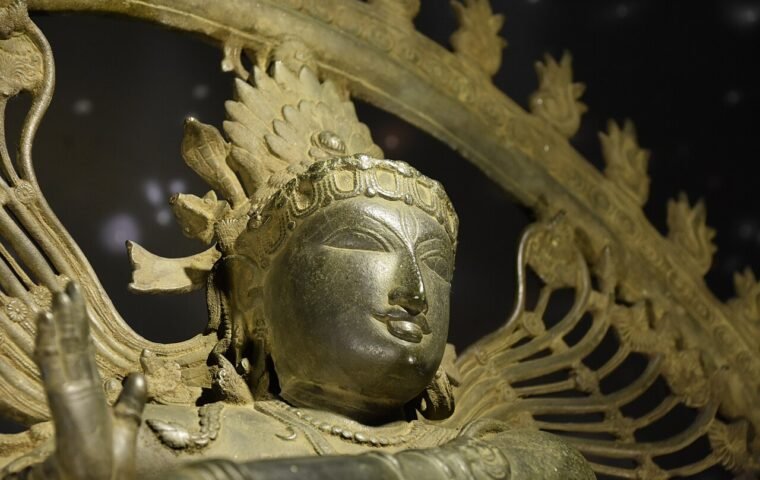
Chola bronzes are not static museum objects: they were cast, consecrated, dressed, carried and encountered as living sacred presences.
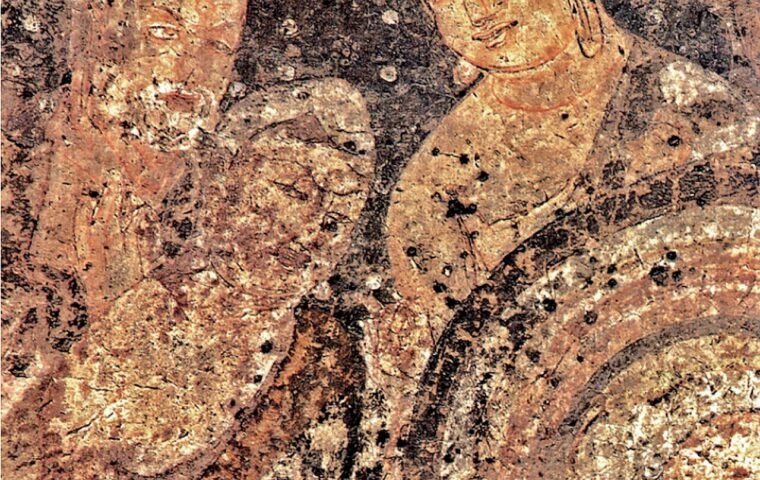
Early Buddhist art organised relics, pilgrimage, narrative and sacred presence through stupas, symbols and increasingly human images of the Buddha.
Mauryan art joined polished stone, pillars, animal capitals, stupas and inscriptions to the scale of an expanding empire.
Indus art survives in small, exact objects—seals, bronzes, terracottas, jewellery and ceramics—that reveal technical mastery while resisting easy interpretation.
Indian art history is a plural, connected chronology of objects, monuments, paintings and practices shaped by religion, courts, trade, colonialism and modernity.
Mesopotamian art emerged from temple cities, palaces and systems of writing that made divine authority, royal power and urban life visible.
Roman art was an adaptive imperial language, shaped by Greek, Etruscan, Egyptian and provincial traditions and used from palaces to dining rooms.
Ancient Greek art changed dramatically across the Geometric, Archaic, Classical and Hellenistic periods—and its sculpture was never simply white.
Ancient Egyptian art joined image, writing, architecture and ritual into a visual system designed to preserve order, identity and presence.